Planning a combi gas boiler installation? Learn how to size your heating correctly, understand water flow rates, and choose the right Gas Safe engineer.
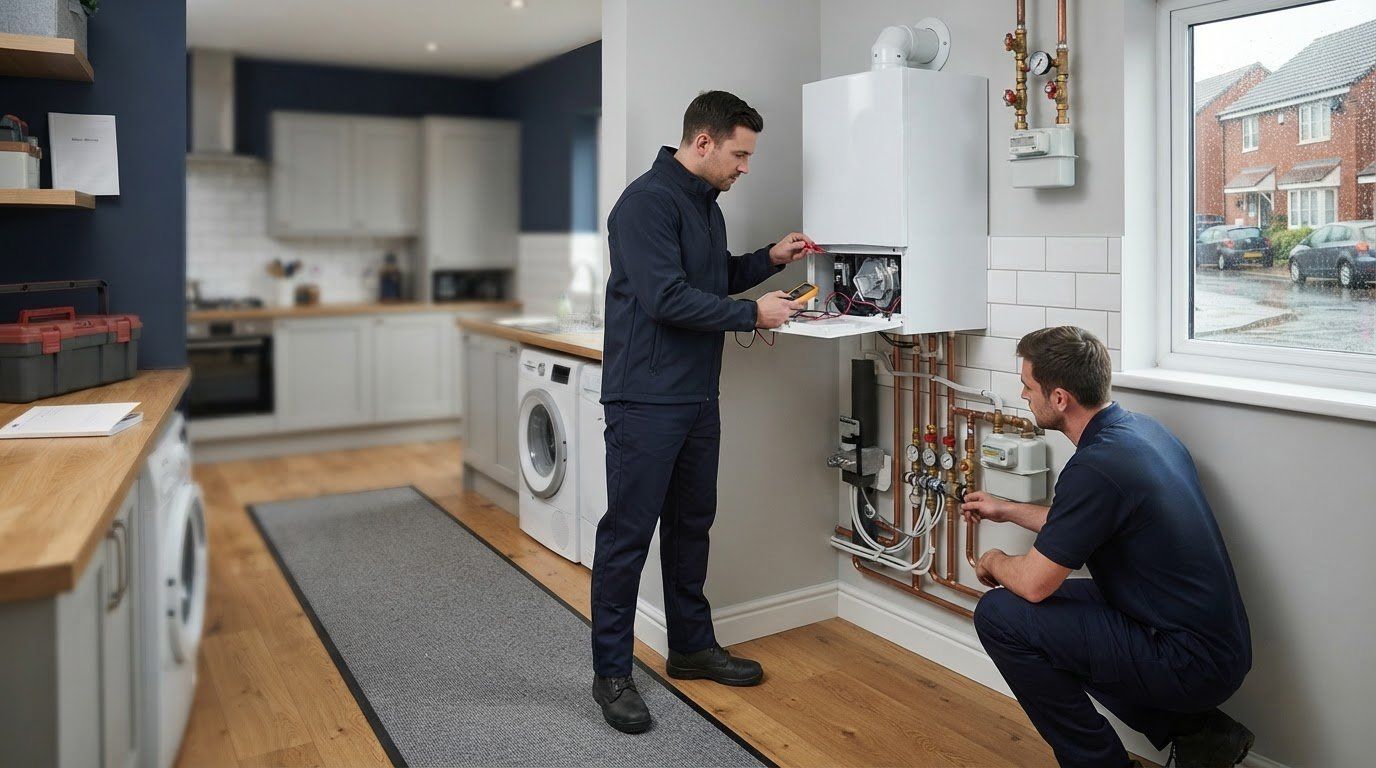
Understanding Combi Gas Boiler Installation: Is It Right for Your Home?
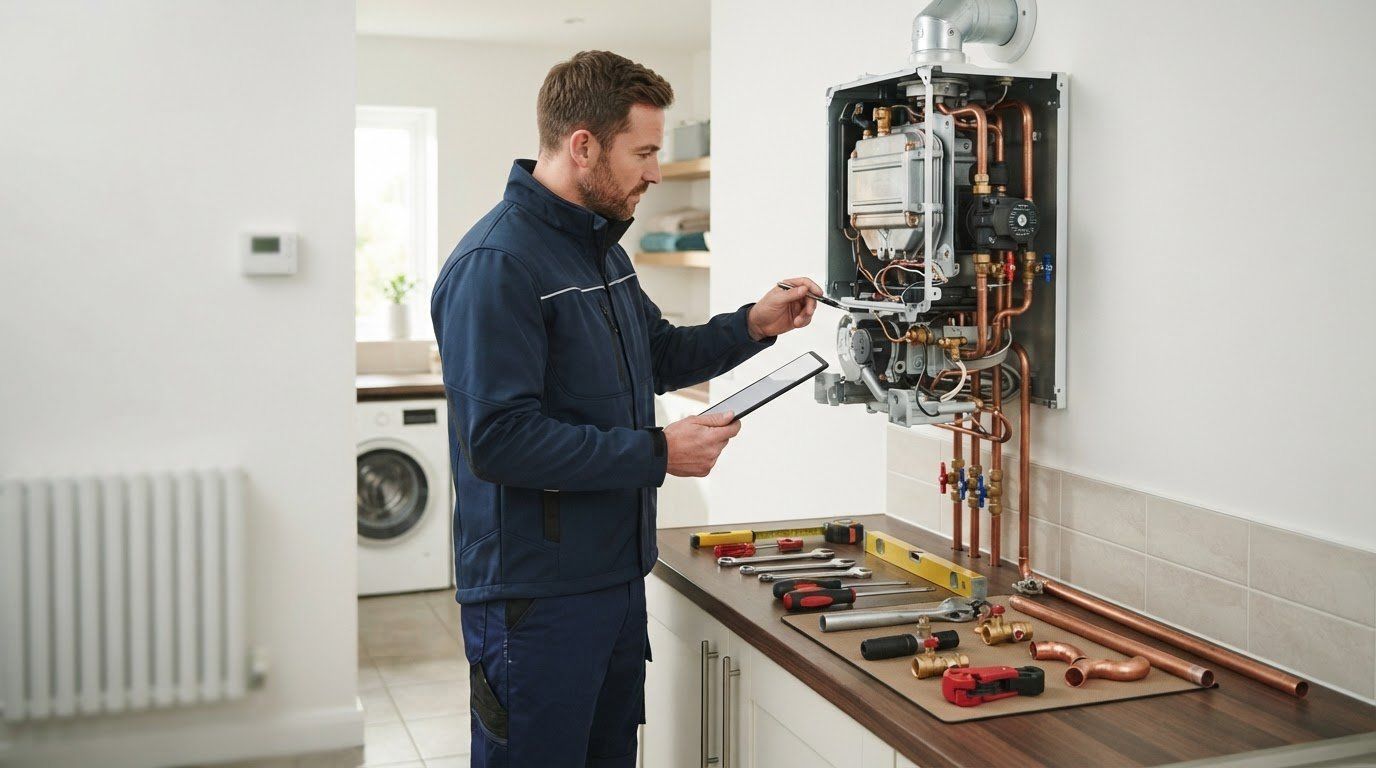
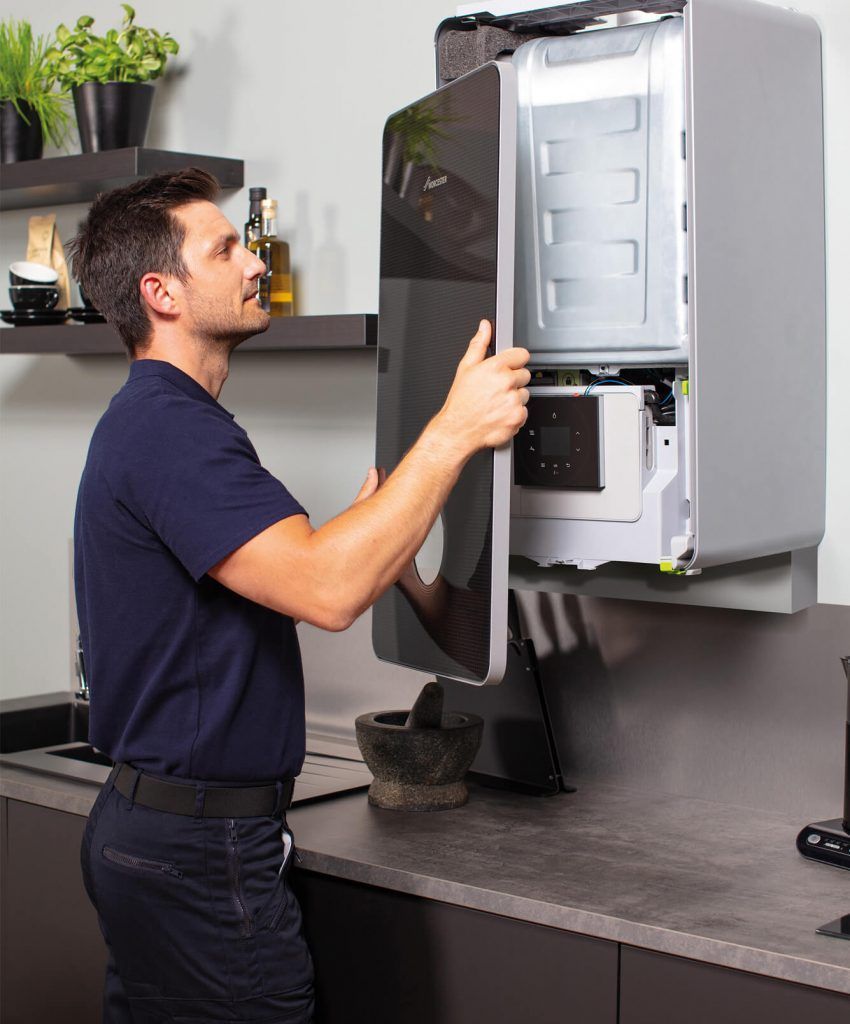
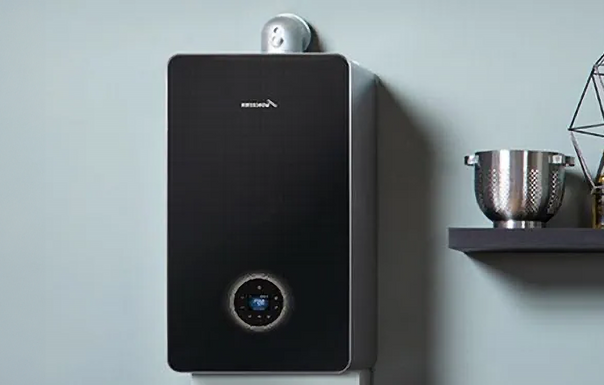
A combination boiler operates as a single, compact unit that provides on-demand central heating alongside domestic hot water. Unlike older traditional systems, a combi heats water directly from the cold water mains whenever you open a tap. By understanding the core mechanics of how combi boilers work, it becomes clear why they eliminate the need for cold storage cisterns in the loft or copper hot water cylinders in the airing cupboard. Every litre of hot water is produced instantaneously, saving domestic floor space and cutting the standby energy losses associated with keeping a large cylinder warm all day.
However, opting for a combi gas boiler installation isn't simply an automatic upgrade for every household. The scale of the installation work and the boiler's daily performance depend heavily on your existing plumbing infrastructure and your family's routine water usage.
Straight Combi Replacement vs System Conversion
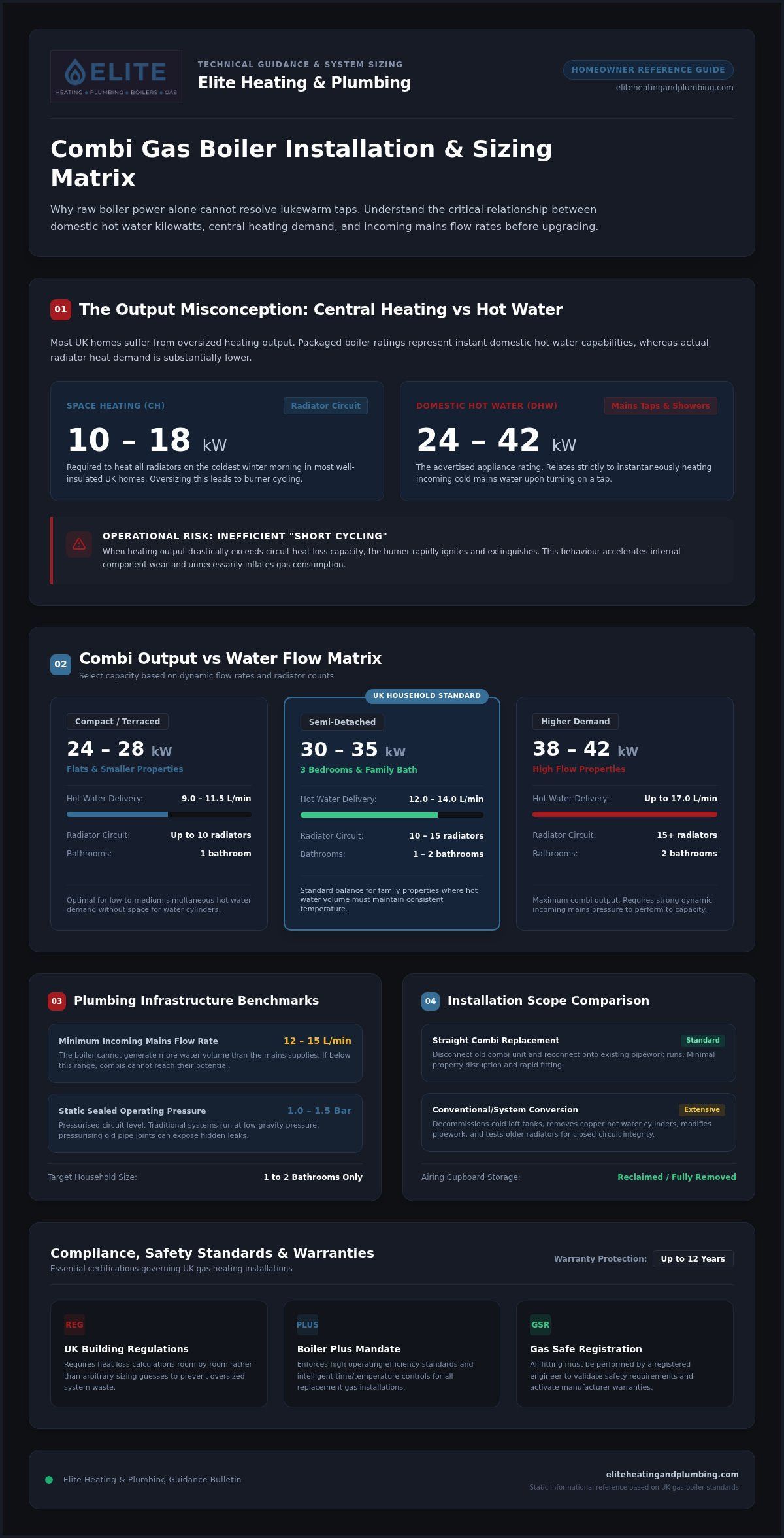
A direct combi swap is relatively straightforward. If your home already runs on a combi, an engineer can usually disconnect the old unit and fit the new appliance using the existing pipework runs with minimal disruption. In contrast, converting from a conventional or system boiler is a substantial undertaking. It involves decommissioning loft tanks, removing the hot water cylinder, and altering the central heating pipework.
Crucially, an experienced engineer must assess whether your existing radiators and hidden pipes can tolerate modern closed-system water pressure. Traditional open-vent systems run at low gravitational pressure. A sealed combi system operates between 1.0 and 1.5 bar of static pressure. If older soldered copper joints or corroded radiator valves are weak, pressurising the circuit can expose leaks beneath floorboards.
Property Suitability and Hot Water Demands
A combi gas boiler installation delivers exceptional comfort for smaller to medium-sized properties, but larger households need realistic planning. Before proceeding, keep these practical points in mind:
- Bathroom numbers: Combis thrive in homes with one to two bathrooms. If two family members run thermostatic showers simultaneously, the available flow rate splits, causing a noticeable drop in shower pressure.
- Dynamic mains pressure: Your boiler cannot produce more water than the mains supply delivers. If your incoming cold water flow rate is under 12 to 15 litres per minute, a combi cannot perform to its full potential regardless of its kilowatt size.
- Reclaiming domestic space: Removing an airing cupboard cylinder frees up valuable square footage for storage or a loft conversion. Still, homes with three or more active bathrooms often benefit far more from retaining an unvented hot water cylinder to guarantee consistent volume across multiple outlets.
Selecting the Correct Combi Boiler Size: Kilowatts and Flow Rates
Many homeowners believe that buying the highest kilowatt (kW) rating guarantees better heating. That assumption often leads to costly mistakes. Combi boilers have two distinct output ratings: one for central heating (CH) and another for domestic hot water (DHW). Most well-insulated UK properties only require between 10 kW and 18 kW of heating output to warm every radiator on the coldest winter morning. The much larger number advertised on the boiler packaging, usually between 24 kW and 42 kW, relates strictly to its power to produce hot water instantaneously.
Oversizing the heating capacity causes severe operational issues. When a boiler produces far more heat than the central heating circuit can dissipate, the internal burner repeatedly ignites and shuts down. This inefficient behaviour, known as short cycling, accelerates component wear and drives up your gas consumption. Ensuring your property complies with UK Building Regulations for heating systems means calculating exact heat loss room by room rather than guessing.
Matching Kilowatts to Radiators and Bathrooms
Hot water demand dictates the combi output rating you need. Smaller 24 kW to 28 kW units supply roughly 9 to 11.5 litres of hot water per minute, which comfortably serves flats and smaller terraced homes with up to ten radiators. Mid-range 30 kW to 35 kW boilers deliver between 12 and 14 litres per minute, making them the standard choice for semi-detached properties with three bedrooms and a family bathroom. Larger 38 kW to 42 kW appliances achieve flow rates up to 17 litres per minute, catering to larger residences with higher hot water requirements.
Measuring Incoming Mains Water Pressure and Flow
A new boiler cannot magically amplify a weak water supply. If your outside water pipe only delivers 10 litres per minute, a 42 kW combi will still only produce 10 litres per minute at the tap. Conscientious engineers always test two distinct metrics before scheduling a combi gas boiler installation:
- Static pressure: Measured with a gauge attached to an outside tap when all household taps remain closed, ideally sitting at 1.5 bar or higher.
- Dynamic flow rate: Measured using a calibrated weir cup while a tap runs freely. A reliable installation requires at least 12 to 15 litres per minute of consistent flow.
If you're unsure whether your current water supply supports a modern combi, arranging an expert survey with a qualified team like Elite Heating & Plumbing ensures your heating system is sized accurately for lasting reliability.
UK Building Regulations and Safety Standards for New Gas Boilers
Safety regulations around domestic heating are strict for good reason. Fitting a gas appliance is never a DIY task or a job for an unregistered handyman. UK law requires every combi gas boiler installation to be carried out by a licensed Gas Safe registered engineer. Proper certification protects your household from carbon monoxide hazards, ensures reliable fuel economy, and preserves your home insurance cover.
Modern standards also demand exceptional environmental performance. Under Part L of the Building Regulations and current Boiler Plus rules, every new condensing combi boiler must deliver a minimum seasonal space heating efficiency of 92% ErP. Boiler Plus also mandates that combi installations include an additional energy-saving control. These options include:
- Smart thermostats: Digital controls providing mobile access, occupancy detection, and automation.
- Weather compensation: External sensors that modulate boiler firing temperatures based on outdoor conditions.
- Load compensation: Responsive controls that alter water flow temperatures based on current room heat.
Under Building Regulations Part J, your installer must also fit a carbon monoxide alarm in the room housing the appliance.
Gas Safe Registration and Building Regulations Compliance
Legitimate heating engineers take complete ownership of statutory paperwork. Upon commissioning the appliance, your Gas Safe engineer formally notifies your local authority building control. You should receive an official Building Regulations Compliance Certificate directly through the post within thirty days. Keep this document safe; solicitors require it as legal proof of compliance if you ever decide to sell your home.
The Combi Gas Boiler Installation Process: Step-by-Step
A methodical combi gas boiler installation follows a structured sequence designed to protect your home and ensure dependable heating performance. Knowing the stages helps you understand exactly what to expect on fitting day:
- Preparation and protection: Your engineer lays durable floor protection across work areas and access routes, isolates the gas and water supplies, and drains down the existing heating system.
- Decommissioning: The old appliance is safely disconnected from utilities, unmounted, and removed along with redundant pipe sections.
- System cleansing: Existing radiators and pipework undergo thorough chemical flushing or power-flushing to clear built-up magnetic sludge.
- Mounting and pipe upgrades: The new boiler is securely mounted, the flue terminal is cored and sealed through the wall, and gas supply pipes are upgraded to 22mm where necessary to guarantee adequate fuel delivery.
- Commissioning: The system is refilled, bled, balanced across all radiators, and rigorously tested for combustion safety.
Protecting the Heating System: Cleansing and Filtration
Modern combi boilers use compact, high-efficiency heat exchangers with narrow waterways. If circulating iron-oxide sludge from older radiators enters the new boiler, it can cause severe blockages and void the manufacturer warranty. Carrying out a thorough system flush removes this abrasive debris. Conscientious engineers always fit an in-line magnetic filter to capture future rust particles, alongside adding a premium chemical inhibitor to prevent corrosion within your radiators.
Commissioning, Combustion Analysis, and Handover
The final phase ensures the boiler operates safely and delivers maximum fuel economy. Your engineer tests dynamic gas working pressure at the appliance inlet under full load to confirm steady gas supply. Using a calibrated flue gas analyser, they measure the combustion ratio to verify safe, clean burning without hazardous emissions.
Before packing up, your engineer will demonstrate how to set your room thermostat, check system pressure on the gauge, and use the filling loop if pressure ever drops. To arrange a tidy, stress-free combi gas boiler installation carried out by experienced Gas Safe engineers, contact Elite Heating & Plumbing for a fixed quotation.
Choosing a Trusted Installer and Protecting Your Warranty
A dependable combi gas boiler installation depends just as much on the integrity of your heating engineer as the quality of the boiler itself. Inviting a tradesperson into your home requires complete trust. Before agreeing to any work, always verify the engineer's Gas Safe registration online. Checking their licence card confirms they hold the specific domestic gas competencies needed to work safely on pipework, flues, and appliances.
A conscientious contractor will always conduct an in-person survey rather than offering vague estimates over the phone. They evaluate your mains water pressure, inspect radiator conditions, and plan neat pipework routes to protect your home from unnecessary mess.
What to Look for in a Written Quotation
Never settle for verbal promises or single-figure estimates. A transparent, fixed quotation should detail every aspect of the project, including:
- The specific boiler model, flue kit, magnetic filter, and heating controls.
- Full labour charges covering system cleansing, fitting, and testing.
- Safe disposal and recycling of your decommissioned boiler and scrap pipework.
- A written guarantee on completed workmanship for at least twelve months.
Securing Up to 12 Years of Manufacturer Warranty
Standard manufacturer warranties usually last between two and five years. However, accredited installers who complete specialised training can provide extended manufacturer warranties of up to 12 years. This level of protection covers major replacement components and labour, offering total reassurance for years to come.
To keep an extended warranty valid, your engineer must complete the Benchmark commissioning checklist inside your boiler manual and register the appliance within thirty days. Protecting that warranty also requires booking an annual service with a qualified Gas Safe engineer each year. Missing an annual check can void your cover completely.
With over 35 years of industry experience, Elite Heating & Plumbing provides guaranteed combi gas boiler installation backed by manufacturer warranties up to 12 years and a full 12-month workmanship guarantee, ensuring your domestic heating remains safe, efficient, and thoroughly protected.
Take the Next Step Towards Dependable Home Heating
Upgrading your heating system shouldn't involve guesswork or domestic disruption. When you select a combi boiler sized to match your incoming mains water flow rather than inflated kilowatt ratings, you protect your system from short cycling and secure steady hot water for every morning routine. Paired with thorough system cleansing and compliant Gas Safe commissioning, modern units deliver lower fuel bills and lasting comfort.
Lasting peace of mind comes from working with tradespeople who respect your home. With over 35 years of industry experience, our team of Gas Safe registered engineers takes genuine pride in neat, considerate workmanship. We ensure your investment is fully protected with manufacturer warranties of up to 12 years and our own 12-month guarantee on all completed work.
Ready to restore reliable warmth and hot water to your household? Arrange your fixed-price combi gas boiler installation quote with Elite Heating & Plumbing today and let our conscientious team take care of the rest.
Frequently Asked Questions
How long does a combi gas boiler installation usually take?
A straightforward combi gas boiler installation typically takes one working day when replacing an existing combi in the same location. However, a complete system conversion involving the removal of loft tanks, hot water cylinders, and extensive pipework alterations generally takes two to three days. Your engineer needs adequate time to drain the system, chemically cleanse existing radiators, fit the unit, and complete rigorous commissioning checks.
Can I replace my old conventional system boiler with a modern combi?
Yes, you can replace a conventional setup with a combi boiler, provided your mains water pressure is sufficient. This conversion frees up your airing cupboard and loft space by eliminating cold storage tanks and hot water cylinders. Your heating engineer will first inspect your existing pipework to ensure older joints and radiator valves can withstand modern pressurised closed systems without leaking.
Will a new combi gas boiler work with my existing radiators?
In most homes, a new combi integrates smoothly with your current radiators. However, existing radiators must be thoroughly cleansed to remove magnetic sludge before connection. If your radiators are over twenty years old, heavily corroded, or fitted with outdated valves, your engineer might recommend replacing specific units to ensure balanced heat distribution and prevent modern system pressure from causing pinhole leaks.
What happens if my mains water pressure is too low for a combi boiler?
If your incoming cold water flow rate falls below 10 to 12 litres per minute, a combi will struggle to supply good hot water pressure. In these situations, installing an unvented hot water cylinder or an accumulator tank offers a far more reliable solution. A professional survey identifies dynamic mains flow early, ensuring you select a heating design tailored to your household plumbing.
Why is an in-line magnetic system filter required during installation?
An in-line magnetic filter captures circulating iron-oxide sludge before it reaches the compact heat exchanger inside your new boiler. Black sludge causes internal blockages, reduces heating efficiency, and can cause component failure. Installing a magnetic filter protects the appliance, lowers your annual fuel consumption, and is a mandatory requirement for securing extended manufacturer warranty protection of up to 12 years.
Do I need to upgrade my gas supply pipework for a higher kW combi?
Upgrading your gas supply pipework is often necessary when switching to a higher-output appliance. Older boilers typically ran on 15mm copper gas pipes. Modern high-efficiency combis require a 22mm gas line from the meter to maintain the correct working pressure under full demand. Your Gas Safe engineer tests dynamic pressure at the appliance inlet to confirm safe, uninterrupted fuel flow.
How do I keep my manufacturer boiler warranty valid after installation?
Maintaining your warranty requires three essential steps following your combi gas boiler installation. First, ensure your Gas Safe registered engineer fills out the Benchmark commissioning logbook on fitting day. Second, register the appliance with the manufacturer within thirty days. Finally, you must arrange an annual boiler service every twelve months with a qualified engineer to inspect internal seals and maintain continuous cover.