Wondering how much does a new boiler cost in the UK? Discover true installation fees, conversion costs, and expert tips to get a fair Gas Safe quote in 2026.
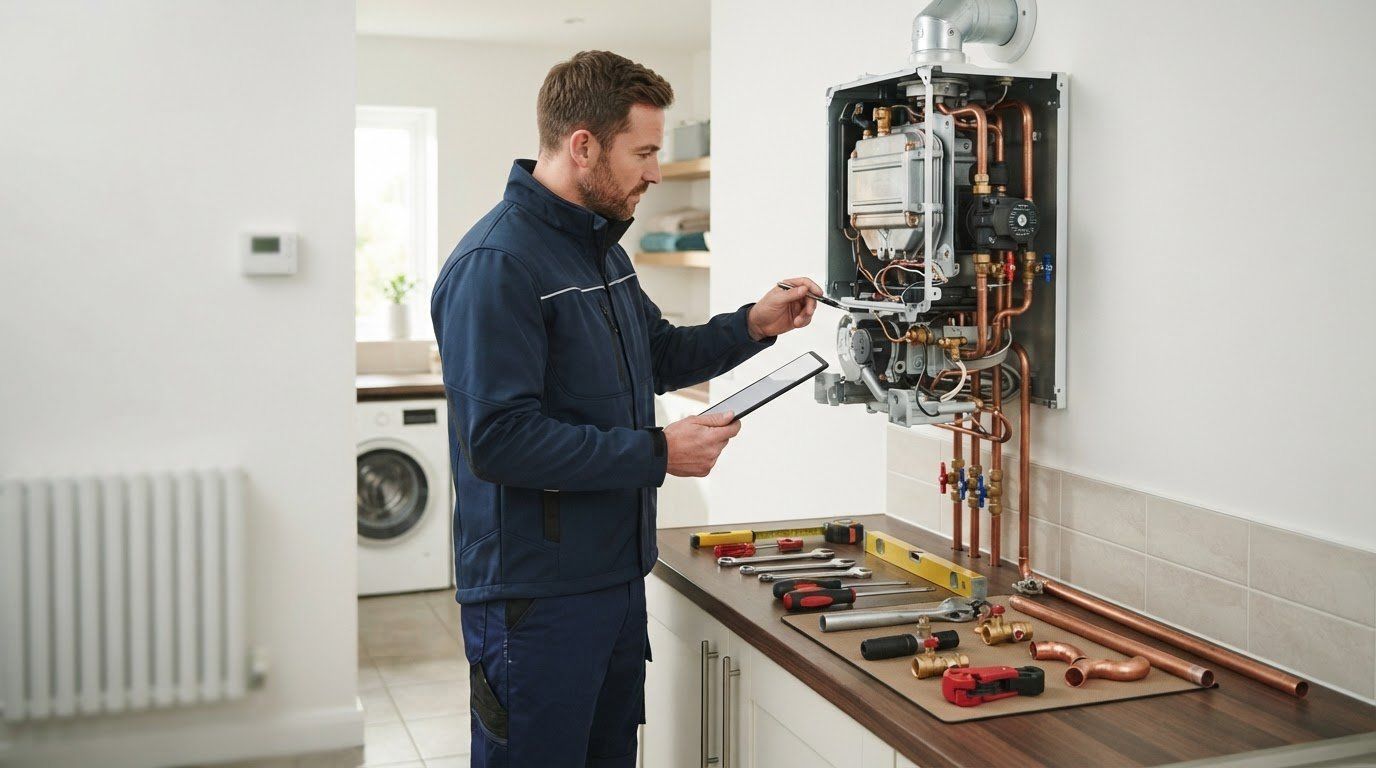
The sticker price on a heating unit tells you surprisingly little about the true investment required to keep your radiators hot and your taps running. When you begin researching how much does a new boiler cost, it's easy to feel overwhelmed by shifting estimates and the worry of unexpected charges halfway through an installation. We know that facing a failing heating system is stressful enough without the added anxiety of domestic disruption and chilly living spaces.
Fortunately, working out what represents a fair, transparent quote doesn't have to be a guessing game. In this guide, you will discover the core factors, system types, and installation variables that shape your total boiler replacement investment, helping you distinguish vital safety upgrades from unnecessary extras. Ahead, we explore the practical differences between a straightforward swap and a complete system conversion, giving you the clarity needed to review Gas Safe registered contractor estimates with total confidence.
Understanding the Key Factors Determining Boiler Replacement Investment
Every home requires a heating setup matched to its daily hot water habits and architectural layout. When working out how much does a new boiler cost, you quickly discover that total expense combines appliance manufacturing quality with certified installation labour. In fundamental heating engineering, exploring what a boiler is reveals an appliance designed to safely manage high pressure and intense heat transfer. Selecting durable equipment upfront prevents premature component breakdown, saving you from stressful mid-winter emergency repairs.
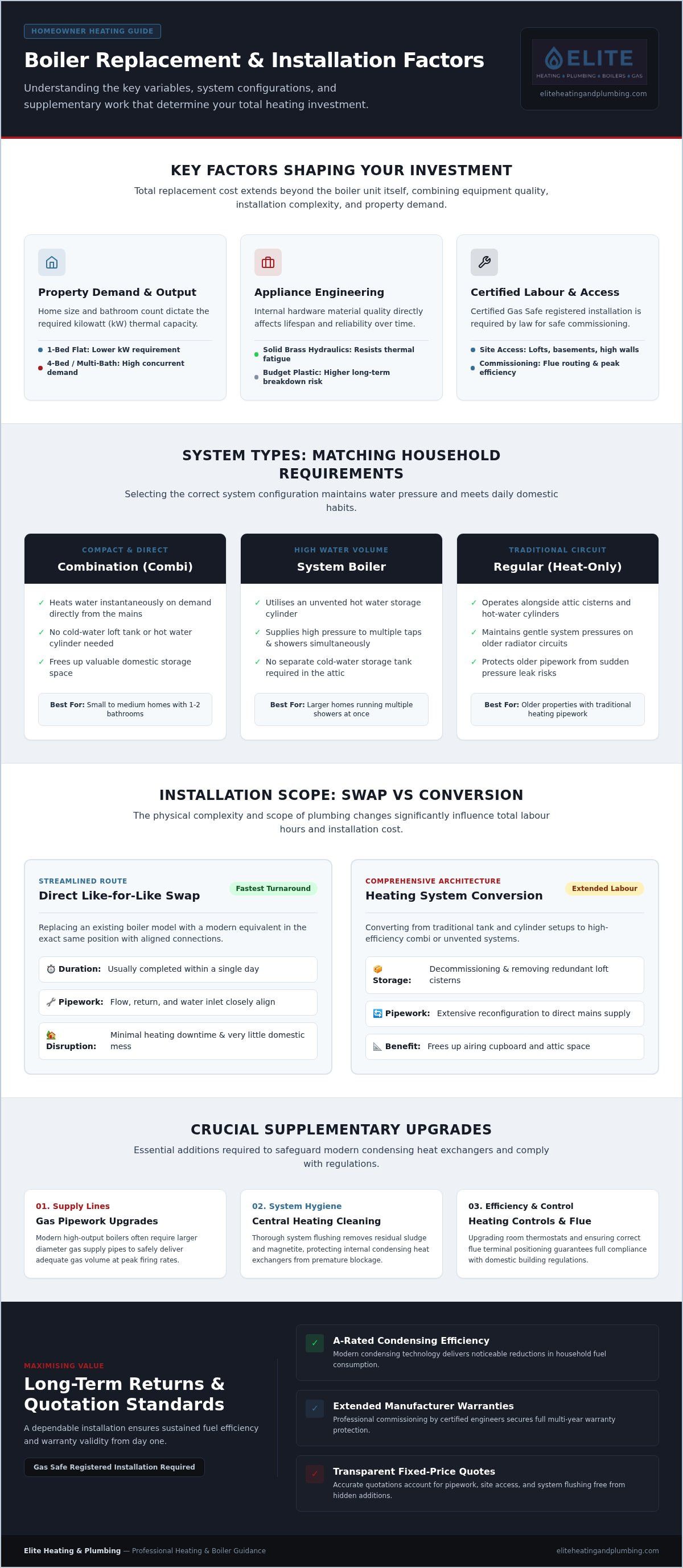
Your property's physical size and bathroom count dictate the required kilowatt (kW) thermal output. A one-bedroom flat with a single shower needs far less heating capacity than a four-bedroom home running two bathrooms at the same time. The chosen fuel supply, existing pipework layout, and flue terminal position also shape on-site labour complexity. Upgrading your heating controls alongside the boiler ensures full compliance with modern domestic building regulations, improving everyday comfort while keeping running costs sensible.
Appliance Hardware Versus Certified Labour Considerations
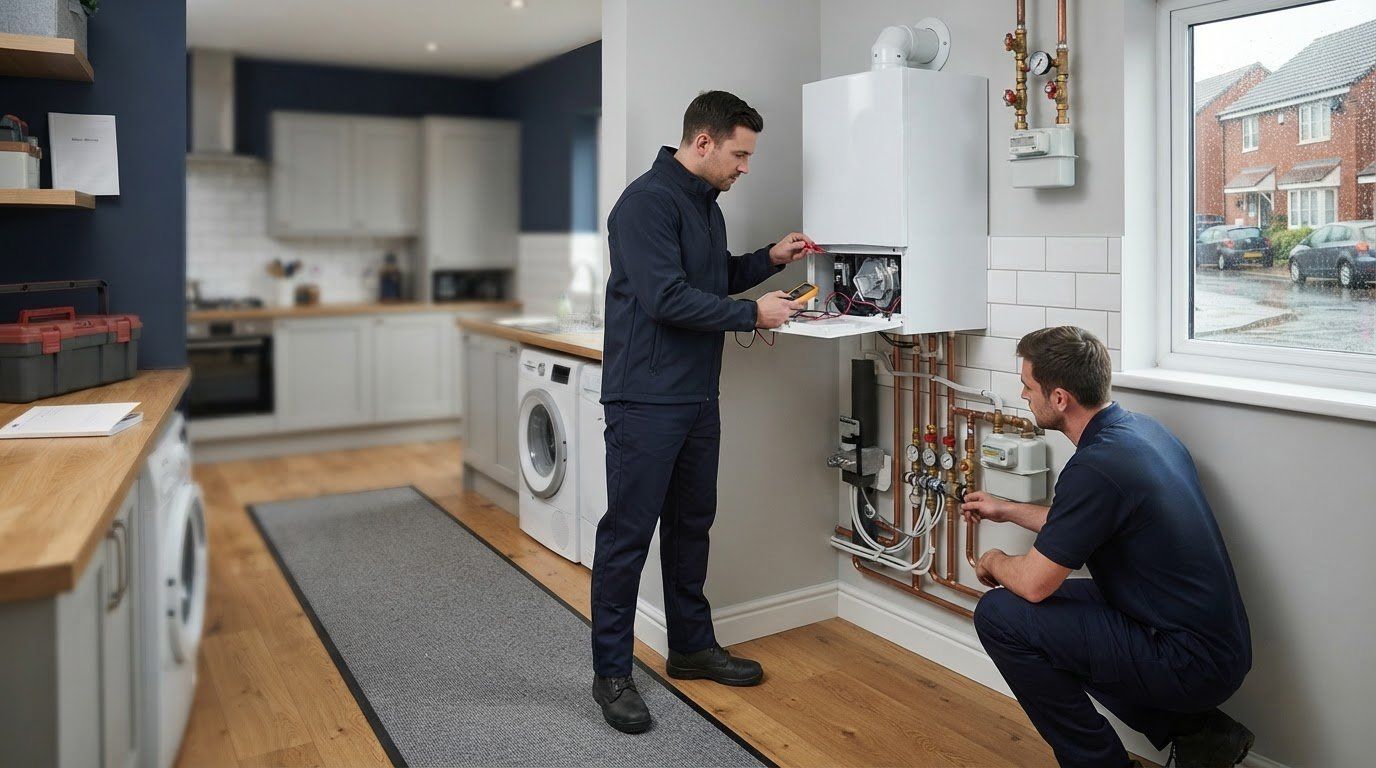
A dependable heating installation balances robust engineering with skilled workmanship. Premium appliances feature internal components such as solid brass hydraulic blocks, which resist thermal fatigue far better than budget plastic alternatives. By law, any gas appliance replacement demands certified Gas Safe registered labour to verify correct system pressurisation, safe flue routing, and leak-free operation.
- Site accessibility: Tight loft spaces, awkward basement cupboards, or high external walls extend project working hours.
- Precise commissioning: Thorough testing ensures the burner burns fuel cleanly and operates at peak condensing efficiency from day one.
- Guaranteed protection: Professional installation secures the validity of extended manufacturer warranties.
System Type Selection: Combi, System, or Regular Heat-Only
Matching the system configuration to your domestic routine prevents frustrating drops in hot water pressure. A combination boiler heats water instantaneously on demand directly from the mains, eliminating the need for cold-water storage tanks in your loft or a hot-water cylinder in the airing cupboard.
System boilers utilise an unvented hot water cylinder to supply high-pressure hot water to multiple taps and showers simultaneously. For larger traditional homes with older radiator pipework and attic cisterns, regular heat-only boilers maintain gentle system pressures, keeping your existing pipe circuits intact without causing leaks under sudden pressure increases.
Straightforward Swaps Versus Heating System Conversions
The scope of plumbing work plays a massive role in shaping how much does a new boiler cost to install. A project that involves swapping an old combi boiler for a modern version in the exact same cupboard requires far less labour than changing the fundamental architecture of your heating system. Homeowners weighing their long-term property plans may also look into clean-heat initiatives like Boiler Upgrade Scheme grants, but if staying with a gas network appliance is the goal, identifying whether you need a direct replacement or a comprehensive conversion is the essential first step.
Direct Like-for-Like Boiler Swaps Explained
A direct replacement represents the cleanest, most efficient installation route. Because the existing cold water inlet, central heating flow and return pipes, gas line, and flue pathway often align closely with modern replacements, an engineer can usually complete the entire changeover within a single day. Domestic heating downtime remains minimal, letting your household get straight back to warm radiators and reliable hot water with very little mess.
Converting from Traditional Tanks to Modern Combi Systems
Switching from an old cylinder setup to a compact combi boiler frees up valuable square footage. Removing cold-water storage cisterns from the attic and clearing the hot water cylinder from an airing cupboard creates useful domestic storage. However, the plumbing work is significantly more involved:
- Decommissioning storage: Safely draining, isolating, and removing redundant tanks without causing ceiling leaks.
- Pipework reconfiguration: Connecting your heating and domestic hot water circuits directly to incoming mains supply lines.
- System integrity checks: Pressurising historic radiator pipework to modern operating pressures, ensuring older soldered joints and radiator valves hold firm without weeping.
Relocating the Boiler to an Alternative Room or Floor
Moving a boiler from an intrusive kitchen cupboard into a utility room or an insulated loft demands extra time and materials. Our team frequently routes extended copper pipe runs under floorboards to reach new locations neatly. Revised positions also require core drilling through external brickwork for the flue and dedicated drain runs for acidic condensate water to prevent freezing during cold snaps.
If you are planning a layout change or want an experienced eye on your current pipework, our friendly engineers provide tailored advice through our reliable boiler installation service to help you plan the neatest setup for your home.
Supplementary Work and System Upgrades Affecting Your Final Quote
Unexpected items on an estimate often trace back to essential infrastructure work rather than the boiler itself. When homeowners ask how much does a new boiler cost, they frequently assume the job involves merely swapping one metal box for another. In practice, modern condensing appliances operate under strict regulatory and technical standards that often demand updates to older surrounding pipework and system water quality.
Gas Supply Pipe Sizing and Flue Revisions
Older boilers frequently ran on 15mm copper gas supply pipes. Modern high-output condensing models demand higher instantaneous gas flow rates, typically requiring an upgrade to 22mm or 28mm copper lines running from the gas meter to the appliance. Leaving an undersized pipe in place starves the burner during heavy hot water demand, triggering fault codes and causing premature wear on the internal components.
Flue configurations also dictate project scope. If your existing flue terminates too close to an opening window, an air brick, or a neighbouring property boundary, regulations require adjustments. Fitting plume management kits or running vertical flues through pitched roof spaces ensures toxic combustion products disperse safely outdoors without entering living areas.
System Power-Flushing and Magnetic Protection
Black iron oxide sludge accumulates naturally inside aging steel radiators. Pumping dirty water straight through a brand-new, narrow-passageway heat exchanger quickly causes blockages, noise, and component failure. Carrying out a thorough system power-flushing scrubs radiator interiors and circulating pipework clean before the new unit ever fires up.
- System protection: Installing an inline magnetic filter captures ongoing metallic debris, ensuring long-term efficiency.
- Chemical dosing: Adding corrosion inhibitor into the cleaned system halts rust formation across radiator panels.
- Manufacturer compliance: Leading boiler makers require documented system cleaning and filtration to keep their warranties fully valid.
Thermostatic Radiator Valves and Smart Controls
Domestic building standards require adequate heating automation to prevent unnecessary fuel consumption. Fitting thermostatic radiator valves (TRVs) across individual bedrooms and living spaces gives you room-by-room temperature management, allowing you to turn down unused rooms while keeping busy spaces warm.
Pairing these valves with an intelligent room thermostat creates an efficient setup. Modern controls adjust boiler firing cycles against indoor temperatures or ambient weather conditions, lowering fuel waste and directly influencing how much does a new boiler cost to run year after year.
Long-Term Energy Savings and Warranty Protection
A new heating system represents a substantial domestic investment, but evaluating it purely on upfront expense ignores the ongoing financial return. In the UK, heating and hot water account for over 50% of an average household's energy expenditure. When calculating how much does a new boiler cost over its full lifespan, balancing installation expenditure against lower utility bills and warranty protection reveals the true value of modern hardware.
Fuel Efficiency Gains of Modern Condensing Boilers
Older non-condensing appliances routinely waste 30% or more of the fuel they burn straight out of the chimney. In contrast, modern A-rated condensing boilers extract latent thermal energy from waste exhaust gases before expulsion, consistently achieving operating efficiencies exceeding 90%.
By capturing heat that previous generations of boilers simply vented into the outdoor air, these units convert far more of every paid therm directly into radiator heat. Lowering your system flow temperatures allows the heat exchanger to stay in continuous condensing mode, steadily reducing your annual gas consumption while maintaining comfortable room temperatures throughout the colder winter months.
Warranty Terms and Workmanship Guarantees
Solid guarantee terms shield you against the frustration of unexpected component failures. Premium boilers installed by accredited Gas Safe engineers feature manufacturer warranties extending up to 12 years, covering replacement parts and factory repairs. Alongside hardware coverage, our team provides workmanship guaranteed for a minimum of 12 months, ensuring your pipework and pressure settings remain dependable.
- Routine compliance: Boiler manufacturers require proof of an annual boiler service by a Gas Safe registered engineer to keep extended warranties active.
- Benchmark documentation: The installer must fully complete the commissioning checklist inside the appliance manual upon project completion.
- Financial peace of mind: A comprehensive 10 to 12-year warranty virtually eliminates surprise maintenance costs throughout the normal working life of your boiler.
Protect your heating investment and keep your fuel consumption low from the very first day. We invite you to book a comprehensive boiler survey with our Gas Safe registered specialists to secure verified manufacturer warranties and lasting peace of mind.
Securing an Accurate Fixed-Price Quote from Gas Safe Engineers
Online cost calculators offer rough benchmarks, but determining precisely how much does a new boiler cost requires a thorough in-person survey. Automated estimation tools miss critical physical obstacles that can lead to sudden price increases on installation morning. A dependable, professional heating quotation should always be fully fixed and transparent, clearly breaking down hardware specifications, system cleaning, and certified labour without unexpected surprises or high-pressure sales tactics.
The In-Home Technical Survey Process
A meticulous site survey identifies plumbing challenges well before installation begins. During an inspection, an engineer checks incoming water pressure and dynamic flow rates directly at your taps to verify whether your mains supply can support your preferred boiler model.
Flue clearance paths receive careful evaluation to ensure exhaust gases discharge well clear of opening windows, eaves, and neighbouring boundaries. The surveyor also assesses your electrical bonding and consumer unit capacity, confirming that your home's wiring safely supports modern digital heating controls and motorised zone valves.
Essential Vetting Criteria for Heating Contractors
Selecting the right installer protects both your property and your household budget. Domestic gas work is legally restricted in the UK, making credentials and contractor track records vital considerations when reviewing heating proposals.
- Gas Safe credentials: Always ask to see the engineer's Gas Safe photo ID card upon arrival, checking the reverse of the card to confirm their qualifications for domestic pipework and boilers.
- Proven trade experience: Seek contractors backed by over 35 years of industry experience, ensuring the technical knowledge required to handle unexpected installation hurdles smoothly.
- Workmanship protections: Choose installers who provide written guarantees for at least 12 months on all pipework and fittings, alongside formal Building Regulations compliance certification.
- Transparent handover: A qualified professional completes the Benchmark commissioning logbook on the day, validating your manufacturer warranty and ensuring your heating system operates safely.
Take the uncertainty out of your heating project by consulting established professionals who treat your home with care and courtesy. Schedule a thorough home assessment with Elite Heating & Plumbing today to secure an honest, fixed quotation backed by decades of trusted trade expertise.
Taking the Next Step Towards a Warm, Dependable Home
Choosing the right heating upgrade doesn't need to be stressful or uncertain. When assessing how much does a new boiler cost, remember that genuine value stems from accurate system sizing, thorough pipework preparation, and certified installation rather than the lowest initial sticker price. Investing in the proper heating setup today safeguards your domestic comfort, eliminates unexpected breakdown worries, and ensures manageable running costs for years to come.
Our team brings over 35 years of dedicated heating and plumbing experience straight to your doorstep. Every installation is completed by fully accredited Gas Safe registered engineers who treat your living space with utmost courtesy, complete with workmanship guaranteed for a minimum of 12 months and manufacturer warranties extending up to 12 years. When you want honest guidance free from high-pressure salesmanship, book a fixed-quote home survey with Elite Heating & Plumbing to restore dependable warmth, safety, and complete peace of mind to your household.
Frequently Asked Questions
How long does a typical domestic boiler installation take to complete?
A straightforward like-for-like boiler replacement typically takes between one and two days to complete. If your project involves converting from an older conventional cylinder system to a modern combination unit, expect the work to require two to three days. This extended timeline allows our engineers sufficient time to remove redundant attic tanks, reconfigure central pipework, thoroughly clean the heating circuit, and safely commission your new appliance.
Can I replace a standard boiler with a combi boiler without replacing radiators?
Yes, you can usually keep your existing radiators when switching to a combi boiler, provided they remain in sound physical condition. Your engineer will inspect and test your radiator circuits for pressure integrity beforehand. Traditional open-vent systems operate under low gravity pressure, whereas combi boilers run under sealed mains pressure. Weak soldered joints or heavily corroded radiator panels might require repairs once higher pressure is introduced.
Why is a chemical power-flush necessary when fitting a new boiler?
A chemical power-flush removes accumulated black iron oxide sludge and rust from existing radiators before firing up a replacement boiler. Modern condensing heat exchangers feature narrow internal waterways that clog rapidly if dirty system water circulates through them. Flushing the circuits protects the new internal pump, restores optimal heating output, and satisfies the strict manufacturer conditions required to validate extended multi-year warranties.
What size boiler in kilowatts does an average UK home require?
Kilowatt sizing depends on your property layout and domestic hot water demand rather than generic rules of thumb. For a typical two to three-bedroom house with one bathroom, a 24kW to 30kW combi boiler generally suffices. Larger properties with multiple bathrooms often require a 35kW combi or an unvented system cylinder. When calculating how much does a new boiler cost, accurate sizing prevents overpaying for unnecessary capacity.
Is it legally required to use a Gas Safe registered engineer for installation?
Yes, UK law strictly mandates that anyone installing or servicing gas appliances must be registered on the Gas Safe Register. Uncertified gas work creates severe risks of gas escapes, fire, and toxic carbon monoxide poisoning. Certified engineers ensure full compliance with domestic building standards, submit official completion notifications to local authorities, and protect household safety. Always ask to inspect an engineer's photo identification card upon arrival.
How do I know if my existing gas supply pipe needs upgrading?
An engineer verifies gas pipe sizing by measuring pressure drops and pipe diameters during your initial technical home survey. Many older homes rely on 15mm copper gas pipes, but modern high-output condensing boilers usually demand 22mm or 28mm lines to deliver sufficient fuel volume. If an undersized pipe remains in place, the burner suffers from fuel starvation during peak demand, triggering persistent error codes.
Will a new boiler installation improve my shower water pressure?
A new boiler can noticeably improve shower flow rates if you replace an older gravity-fed cylinder with an unvented cylinder or combi system. Because combi and unvented setups draw cold water directly from the mains, hot water delivers at high mains pressure. However, final performance depends on your incoming street pressure. Reviewing incoming flow during your survey helps clarify how much does a new boiler cost and perform in daily use.